Proudly serving Mesa
General Contractor Cost Mesa Az
- Itemized pricing, no guesswork
- Built for Mesa's soil and monsoon season
- Permit paperwork handled, not hidden
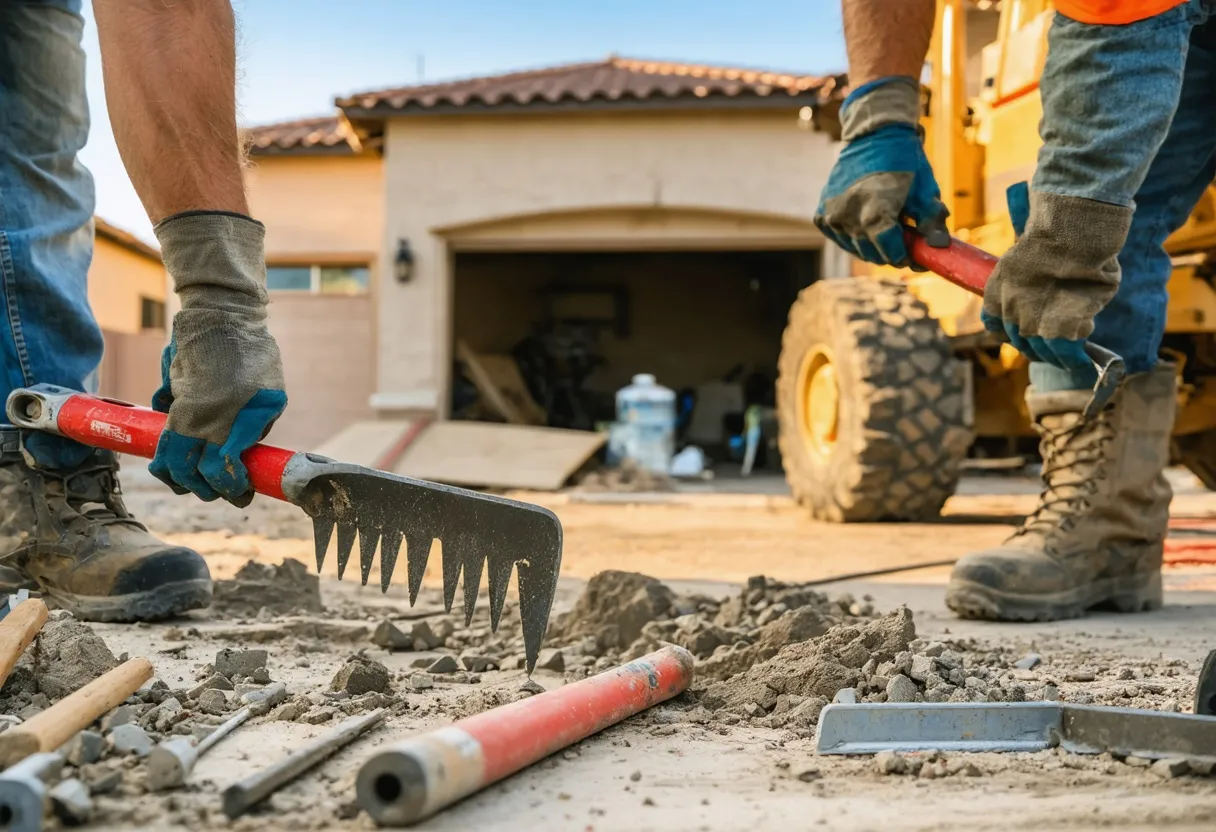
General contractor cost in Mesa, AZ typically comes down to three things: scope, material tier, and how much of the home's existing structure and systems the project touches. A homeowner near E Southern Ave in Mesa 85209 pricing out a kitchen remodel will see a very different number than a family across town planning a full home addition — and both numbers will look different again from a generic national average, because national averages don't account for Mesa's permitting timelines, labor market, or desert building conditions. This page breaks down what actually drives general contractor pricing in Mesa, what each major project type costs to plan for, and how to vet a contractor who will give you real numbers instead of a lowball estimate that grows once the walls are open.
01What Actually Drives General Contractor Cost in Mesa, AZ
Every estimate is a function of a handful of variables. Understanding them helps you read a bid critically instead of just comparing bottom-line totals.
- Scope and structural complexity — Cosmetic work (paint, fixtures, flooring) costs far less than anything touching load-bearing walls, plumbing stacks, or electrical panels.
- Material selection — Cabinetry, countertops, roofing materials, and flooring have wide price ranges. Choosing mid-grade versus premium finishes is one of the biggest levers a homeowner controls, and it can move a project's total meaningfully without changing the footprint at all.
- Permit and inspection requirements — Mesa's permitting process adds real time and fees for additions, structural changes, and new electrical or plumbing runs. Skipping this step isn't a cost-saver — it's a liability.
- Site conditions — Mesa's desert and arid climate affects concrete curing schedules, exterior material choices, and how work gets sequenced around monsoon season storms in late summer.
- Labor availability and crew specialization — Licensed trades (electrical, plumbing, HVAC) cost more than general labor because they carry their own certifications and insurance.
- Project management overhead — A contractor coordinating subcontractors, inspections, and scheduling under one point of contact bills differently than a patchwork of unlicensed subs you'd have to manage yourself.
The single biggest mistake homeowners make is comparing two bids on total price alone. A $45,000 bid and a $60,000 bid for "the same" bathroom remodel usually aren't the same scope — one may exclude permit fees, use builder-grade fixtures, or skip waterproofing details that matter in a desert climate where temperature swings stress materials differently than they would in a humid region.
02Remodel Price Per Square Foot in Mesa, AZ
Price-per-square-foot is a useful starting point for budgeting, but it's a range, not a fixed number, because it depends heavily on whether the space is a kitchen, bathroom, living area, or addition, and whether plumbing or electrical is being relocated. Kitchens and bathrooms run higher per square foot than open living space because they concentrate expensive systems — plumbing, ventilation, electrical, waterproofing — into a small footprint. A living room refresh with new flooring and paint sits at the low end; a kitchen gut-and-rebuild with relocated plumbing sits at the high end.
What actually matters more than a generic per-square-foot number is getting an itemized breakdown: demolition, framing, rough-in trades, finishes, permits, and contractor overhead listed separately. That's the only way to know where your money is actually going and where you have room to adjust scope if the total comes in over budget.
03Home Addition Cost Breakdown in Mesa
Additions are among the most requested — and most misunderstood — projects in the Valley. A Mesa home addition typically breaks down into these cost categories:
- Foundation and slab work — New square footage needs its own foundation, tied properly into the existing structure and built to current Mesa code.
- Framing and roofing tie-in — Matching rooflines and structural framing to the existing home is more labor-intensive than new-construction framing.
- Electrical and HVAC extension — Additions often require extending ductwork or adding a mini-split zone, since Mesa's summer heat load means undersized HVAC will show up fast in comfort complaints.
- Exterior finishes — Stucco, paint, and roofing materials need to match the existing home, which sometimes costs more than an all-new exterior would.
- Permits and plan review — Additions require a building permit, structural plan review, and inspections at multiple stages — footing, framing, electrical/plumbing rough-in, and final.
Room additions, primary suite additions, and second-story additions all carry different cost profiles because of the structural and foundation work involved. A ground-level addition with a simple shed or gable roof tie-in is generally the most cost-efficient; a second-story addition requires engineering review of the existing foundation's load capacity before a shovel goes in the ground.
04ADU, Casita, and Guest House Construction
Accessory dwelling units have become one of the most requested project types across the East Valley, whether for aging parents, rental income, or a home office separate from the main house. An ADU or casita is effectively a small custom home: it needs its own foundation, its own electrical subpanel or service, plumbing tie-ins or a new water/sewer connection, and full permit review as a detached structure. Costs scale with square footage, whether it includes a full kitchen versus a kitchenette, and whether the lot has existing utility access nearby or requires trenching a new run from the main house. Because ADUs are inspected under the same code rigor as a primary residence, cutting corners on permitting isn't a viable shortcut — Mesa will not issue a certificate of occupancy on unpermitted work, which becomes a real problem at resale.
05Custom Home Construction
Ground-up custom home builds involve the widest cost range of any project type because every variable — lot conditions, foundation engineering, architectural complexity, and finish level — is decided from scratch. Site work in Mesa's desert conditions (grading, drainage planning for monsoon runoff, utility connections) is a meaningful line item before framing even begins. A transparent custom-build contractor will walk you through a phased budget: site prep and foundation, framing and roof, mechanical/electrical/plumbing rough-in, insulation and drywall, and finish-out — so you can see cost accumulate stage by stage rather than getting one opaque number at the end.
06Kitchen and Bathroom Remodeling
Kitchens and bathrooms remain the highest-ROI remodels because they combine daily-use value with resale impact. A Mesa kitchen remodel can range from a cabinet-refacing-and-countertop refresh to a full gut renovation relocating plumbing and electrical for a new layout. Bathroom remodels follow a similar spread — a fixture and tile update at the low end, a full reconfiguration with new plumbing rough-in and waterproofing at the high end. In both cases, waterproofing and ventilation details deserve extra scrutiny in Arizona's climate, where humidity swings between bathroom use and dry desert air outside can stress poorly-sealed materials over time.
07Roofing: Inspection, Repair, and Replacement
Roofing is one of the most consequential systems on a Mesa home because of intense summer UV exposure and seasonal monsoon storms. A proper roofing scope of work includes:
- Inspection — A thorough inspection checks underlayment condition, flashing around penetrations, and signs of granule loss or membrane degradation before recommending repair versus replacement.
- Repair — Localized fixes for flashing leaks, damaged tile or shingle sections, or monsoon wind damage, done without a full tear-off when the underlying deck is sound.
- Replacement — A full tear-off and re-roof when the underlayment or decking has failed, typically bundled with a warranty on both materials and labor.
Because roofing failures lead directly to water intrusion, mold growth, and interior damage, an inspection should always be the first step before signing off on repair or replacement scope.
08Mold and Asbestos Remediation
Older Mesa homes and any property with a history of roof or plumbing leaks can harbor mold behind drywall or under flooring, and homes built before the 1980s may contain asbestos in popcorn ceilings, floor tile, or duct insulation. Both require certified handling: mold remediation involves containment, air scrubbing, and removal of affected material followed by a clearance test; asbestos abatement requires certified technicians, sealed containment, and proper disposal per state environmental regulations. This isn't work a general remodeling crew should touch without the right certifications — ask any contractor directly whether remediation is performed in-house by certified staff or subcontracted to a licensed abatement specialist.
09Fire and Water Damage Restoration
Restoration work after a fire, burst pipe, or roof leak is time-sensitive — the first 24 to 48 hours determine whether water damage stays contained or spreads into mold growth and structural compromise. A capable restoration scope covers water extraction, structural drying with commercial dehumidification, smoke and soot cleanup, and then the rebuild phase — drywall, flooring, paint, and cabinetry replacement — ideally under the same contractor who handled mitigation, so there's no handoff gap between "the damage is stopped" and "the home is repaired."
10Demolition Services
Demolition is the first physical step on most remodels and additions, and it's where scope creep often starts if it's not planned carefully. Selective demolition — removing cabinetry, a non-load-bearing wall, or flooring — is very different from structural demolition involving load-bearing walls, which requires engineering review and temporary shoring. A contractor should specify in writing what's being demolished, how debris is being hauled and disposed of, and whether the demolition scope includes any hazardous material testing first (see mold and asbestos above).
1124/7 Emergency Response and Free Inspections
Water damage, storm damage, and roof failures don't wait for business hours. A contractor offering genuine 24/7 emergency response should be reachable around the clock for active water intrusion, storm damage, or urgent structural concerns, with a free inspection and same-day response to assess scope before it worsens. This matters most in the window right after a monsoon event, when roof and drainage failures are most common across the Valley.
Get an Itemized Quote
No pressure, no vague estimates — just a clear breakdown for your Mesa project.
More general contractor services
Ready to See an Itemized Quote?
Get a clear breakdown of costs and permit steps before you decide anything.